

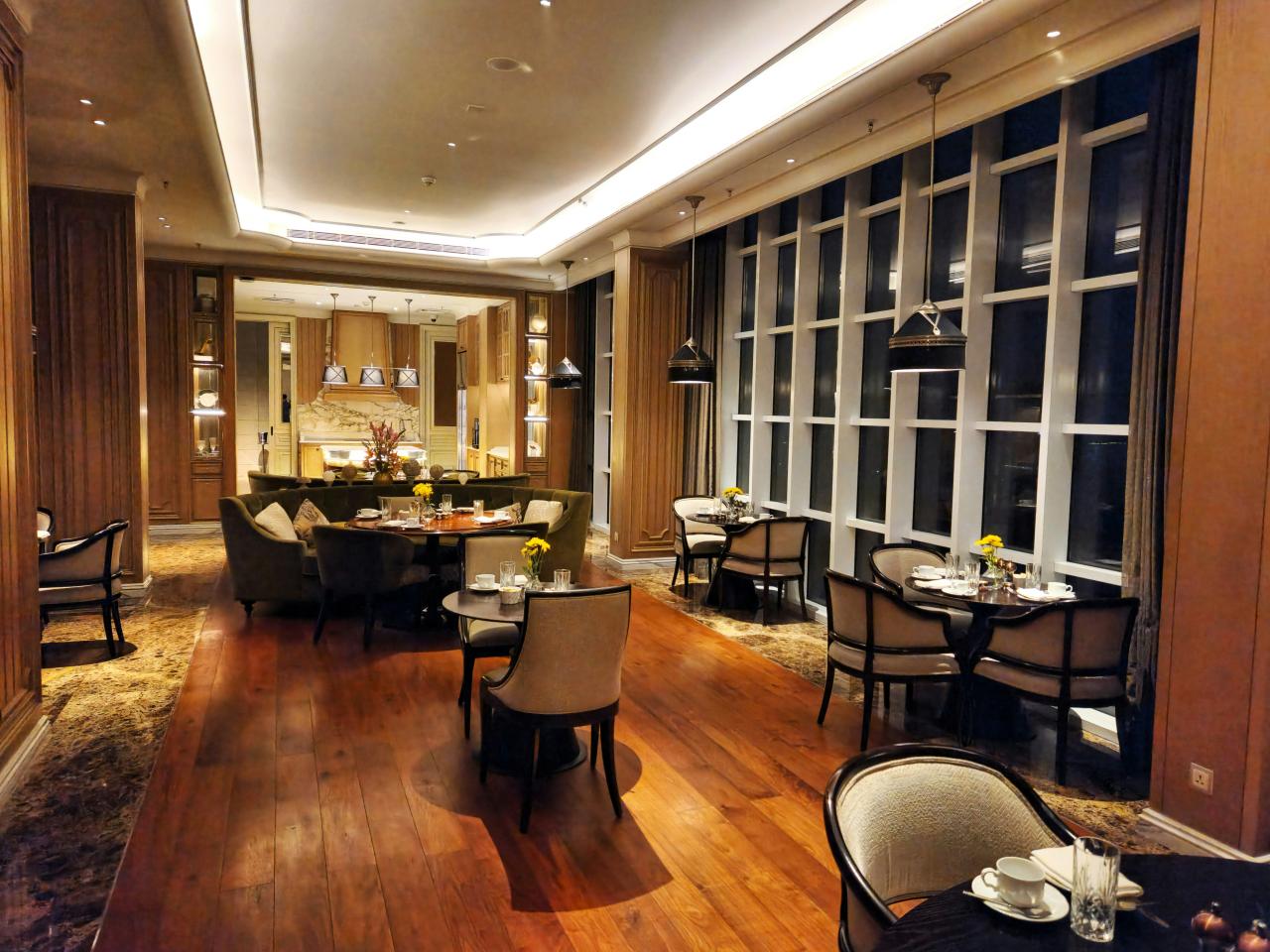
The modern traveler is no longer satisfied with simply visiting a famous landmark and taking a generic photograph for social media. There is a profound and growing desire to connect with the “soul” of a destination through its most ancient traditions and its most exquisite flavors. Luxury gastronomy and heritage travel represent the pinnacle of this movement, offering a deep dive into the historical narrative of a culture through the lens of its culinary excellence. When we combine high-end hospitality with authentic historical storytelling, we create a travel experience that is both intellectually stimulating and sensory-rich. This type of journey allows individuals to walk through living history, staying in restored palaces or ancient estates that have been preserved for centuries.
At the same time, it provides access to exclusive dining experiences where recipes passed down through generations are reimagined by world-class chefs. These experiences are meticulously curated to ensure that every moment feels like an intimate discovery of a world that many never get to see. By focusing on the intersection of heritage and high-end dining, travelers can achieve a sense of fulfillment that goes far beyond the surface level of traditional tourism. This article will explore the growing allure of these sophisticated journeys, the specific elements that define them, and the most iconic destinations where history and flavor meet in perfect harmony.
The Rise of the Culinary Historian

Modern luxury travel has seen the emergence of a new type of traveler: one who views food as a historical artifact. These individuals seek to understand the origins of every ingredient and the cultural significance of every cooking technique.
A. Ancient Recipes in Modern Kitchens
Many heritage hotels now employ chefs who double as historians. They spend months researching local archives to find lost recipes from royal courts or ancient village festivals.
B. The Preservation of Heirloom Ingredients
Luxury gastronomy often focuses on ingredients that are rare or near extinction. By supporting local farmers who grow heritage crops, these travel experiences help preserve agricultural biodiversity.
C. Storytelling through Tasting Menus
A Michelin-star meal in a heritage setting is often structured like a book. Each course represents a different era in the region’s history, moving from ancient agrarian roots to modern sophistication.
Staying Within the Walls of History
The “Heritage” part of this travel trend is most visible in the accommodations. Travelers are choosing to stay in buildings that were once the epicenters of power and culture.
A. Converted Palaces and Royal Residences
In countries like India and Italy, ancient palaces have been transformed into ultra-luxury boutique hotels. These properties allow guests to experience the architectural grandeur of a bygone era.
B. Restored Monasteries and Castles
Many remote heritage sites offer a sense of quiet luxury. Staying in a medieval castle or a high-altitude monastery provides a level of privacy and historical immersion that new hotels cannot match.
C. The Role of Master Craftsmanship
Heritage hotels prioritize the restoration of original features like hand-painted frescoes or carved stone pillars. This attention to detail ensures that the building itself tells a story.
The Art of Private Gastronomic Tours
Exclusive access is the hallmark of luxury heritage travel. This often means going where the general public is not allowed to go, guided by true experts.
A. Vineyard Tours with the Estate Owner
Instead of a crowded tasting room, luxury travelers visit private cellars. They learn about winemaking directly from families who have managed the soil for ten generations.
B. Private Cooking Lessons with Local Matriarchs
Some of the best culinary secrets are not in restaurants but in private homes. Exclusive tours arrange for guests to cook alongside local elders who keep traditional techniques alive.
C. After-Hours Access to Historical Sites
Imagine dining in the middle of a world-famous museum or an ancient ruin under the stars. These “money-can’t-buy” moments are the core of the high-end heritage experience.
Regional Spotlights: Where Flavor Meets History
Certain regions of the world have mastered the art of blending their culinary identity with their historical narrative. These are the “must-visit” zones for the sophisticated wanderer.
A. The Mediterranean Silk Road
From the spice markets of Istanbul to the olive groves of Tuscany, this region offers a masterclass in culinary history. The food here is a direct reflection of thousands of years of trade and conquest.
B. The Royal Kitchens of Southeast Asia
Places like Kyoto, Luang Prabang, and Hue offer a glimpse into the refined dining habits of ancient Asian royalty. These experiences often involve intricate ceremonies and symbolic food presentations.
C. High-Altitude Heritage in the Andes
In Peru, culinary giants are using ancient Incan techniques to create world-leading modern cuisine. This involves cooking with local tubers and grains that were once sacred to the sun kings.
Sustainability and Ethical Heritage Travel
True luxury is increasingly defined by its positive impact on the world. Heritage travel must be sustainable to ensure that the “culture” being visited survives for another thousand years.
A. The Slow Food Movement Integration
Luxury gastronomy emphasizes local, seasonal, and sustainable sourcing. This reduces the carbon footprint of the meal while ensuring the highest possible quality and freshness.
B. Supporting Local Artisanal Communities
By purchasing local crafts and food products, luxury travelers provide the economic incentive for communities to maintain their traditional ways of life.
C. Conservation of Architectural Landmarks
A portion of the high fees paid by heritage travelers is often funneled directly back into the restoration and protection of the historical sites they visit.
The Sensory Experience of Heritage Dining
A heritage meal is a total sensory experience that involves more than just the sense of taste. It is an atmospheric event that engages the eyes, ears, and mind.
A. The Impact of Historical Ambiance
Eating by candlelight in a 500-year-old cellar changes the way food is perceived. The weight of the history around you adds a layer of depth to the dining experience.
B. Traditional Music and Performance
Many heritage dinners include live performances of local folk music or dance. This provides the cultural context necessary to fully appreciate the meal.
C. Bespoke Tableware and Craftsmanship
In luxury heritage travel, the plates and cutlery are often works of art themselves. They are frequently made by local artisans using techniques that match the era of the building.
The Role of Technology in Preserving the Past
Even though heritage travel is about the past, modern technology plays a huge role in making these experiences possible and accessible.
A. Digital Archiving of Lost Recipes
AI is being used to translate and catalog ancient cookbooks found in monastery libraries. This allows chefs to recreate flavors that haven’t been tasted for centuries.
B. Virtual Reality Historical Reconstructions
Some luxury tours provide VR headsets that show you what a ruin looked like in its prime. You can see the original grandeur of a palace while sitting in its current courtyard.
C. Smart Logistics for Remote Heritage Sites
Advanced transportation and communication allow luxury travelers to reach remote, ancient villages comfortably. This brings high-end tourism to areas that were once impossible to visit.
Psychological Benefits of Heritage Exploration
There is a deep psychological satisfaction that comes from connecting with the long timeline of human history. It provides a sense of perspective and belonging.
A. A Sense of Continuity and Connection
Learning that humans have been enjoying the same types of food and wine for millennia is deeply grounding. it reminds us of our shared humanity across different cultures.
B. Intellectual Stimulation and Learning
Heritage travel is an active form of vacationing that keeps the mind sharp. It involves learning about art, politics, religion, and science through the lens of a specific place.
C. Emotional Resonance and Memory Building
The combination of intense flavors and historical stories creates memories that last a lifetime. These are the stories that travelers tell for years after they return home.
Challenges in Authentic Heritage Tourism
Maintaining the balance between luxury and authenticity is a difficult task for travel designers. There is always a risk of “Disney-fication” of the culture.
A. Avoiding the Commercialization of Tradition
When a tradition becomes a tourist attraction, it can lose its original meaning. Luxury providers must work hard to ensure that the experiences remain respectful and true to their roots.
B. Balancing Modern Comfort with Historical Accuracy
Guests want the feeling of an ancient castle but the comfort of high-speed internet and air conditioning. Finding this middle ground is the greatest challenge for heritage architects.
C. Managing Overtourism at Iconic Sites
To remain “luxury,” an experience must be private. High-end operators often pay for exclusive access to ensure their guests aren’t fighting through crowds of tourists.
The Future of Gastronomy and Heritage Travel
The trend toward deeper, more meaningful travel shows no signs of slowing down. We are entering a new era of “intellectual luxury.”
A. The Rise of Educational Sabbaticals
More people are taking long-term trips specifically to study a certain culture’s food and history. This is a move away from “vacation” and toward “immersion.”
B. Collaborations between Chefs and Archeologists
We will see more dining experiences that are directly informed by scientific discoveries. A new excavation might reveal a new ancient spice that becomes the center of a luxury menu.
C. The Expansion of Heritage Travel to New Regions
While Europe and Asia are the current leaders, we are seeing growth in Africa and the Americas. Travelers are looking for the “untold stories” of history in these diverse landscapes.
Conclusion
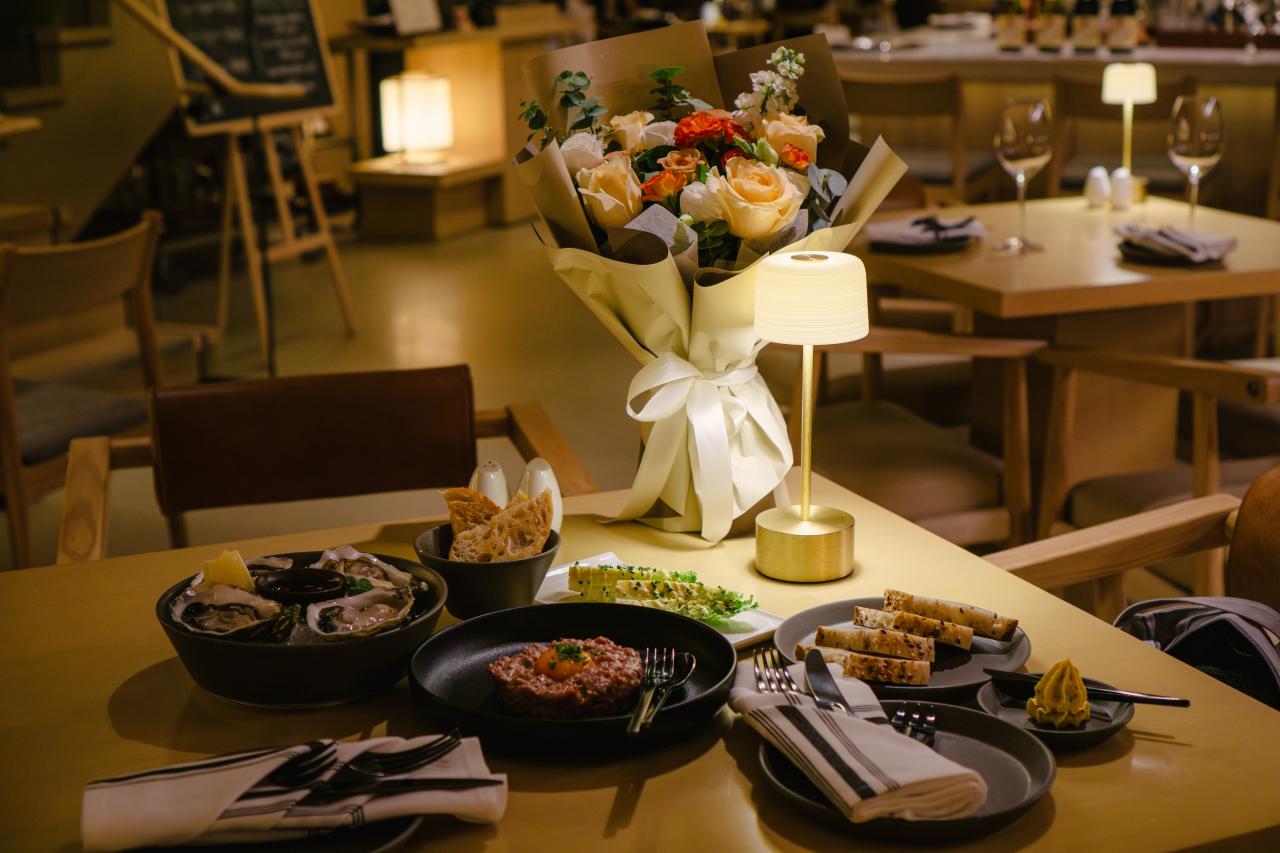
Luxury heritage travel is a transformative way to experience the diversity of our global culture. It bridges the gap between our modern lives and the ancient traditions that shaped our world. The culinary aspect of these journeys provides a sensory gateway into the history of a civilization. Staying in historically significant buildings adds a layer of depth that modern hotels cannot replicate. Authenticity and exclusive access are the primary drivers for the modern high-end traveler. Sustainable practices ensure that these cultural treasures are preserved for future generations to enjoy.
The intersection of gastronomy and history creates a unique form of intellectual and emotional fulfillment. Technology is playing an increasingly important role in uncovering and preserving ancient culinary secrets. A well-designed heritage journey provides a sense of perspective and connection to the human timeline. Maintaining the balance between modern comfort and historical integrity is essential for success. The future of luxury travel lies in these deep-dive experiences that challenge and inspire the mind. Consumers are increasingly prioritizing meaningful stories over simple material acquisitions when they travel.
Every meal in a heritage setting is an opportunity to participate in a living historical narrative. The growth of this sector reflects a broader global desire for authenticity and cultural understanding. Travelers who choose these experiences are not just tourists but active participants in cultural preservation. Each destination offers a unique opportunity to see the world through the eyes of those who came before us. Ultimately, luxury gastronomy and heritage travel celebrate the timeless artistry of the human spirit.