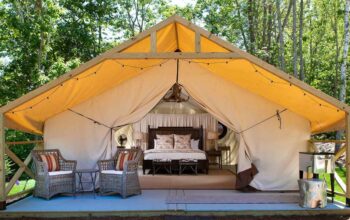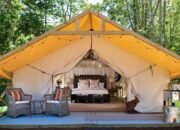

Embarking on a luxury safari is far more than a simple vacation; it is a profound journey into the very cradle of humanity and the wildest corners of our planet. For the discerning traveler, Africa offers an unparalleled blend of raw, untamed nature and the highest standards of sophisticated hospitality found anywhere in the world. Imagine waking up to the distant roar of a lion while wrapped in Egyptian cotton sheets inside a canvas suite that rivals the finest boutique hotels in Paris. This guide is designed to navigate the complexities of planning such an ambitious expedition, ensuring that every moment is curated for maximum wonder and minimal stress.
We will explore the legendary plains of the Serengeti, the lush waterways of the Okavango Delta, and the dramatic red dunes of the Namib Desert. Beyond just animal sightings, a true luxury expedition focuses on the exclusivity of the experience—private concessions, expert-led conservation talks, and gourmet dining under a canopy of southern stars. In an era where “quiet luxury” is the ultimate goal, a bespoke African safari stands as the gold standard for transformative travel. Whether you are a first-time visitor or a seasoned explorer, understanding the nuances of seasons, regions, and logistics is the key to unlocking the continent’s secrets. Let us dive into the ultimate blueprint for your next great African adventure.
The Philosophy of Modern Bespoke Safaris
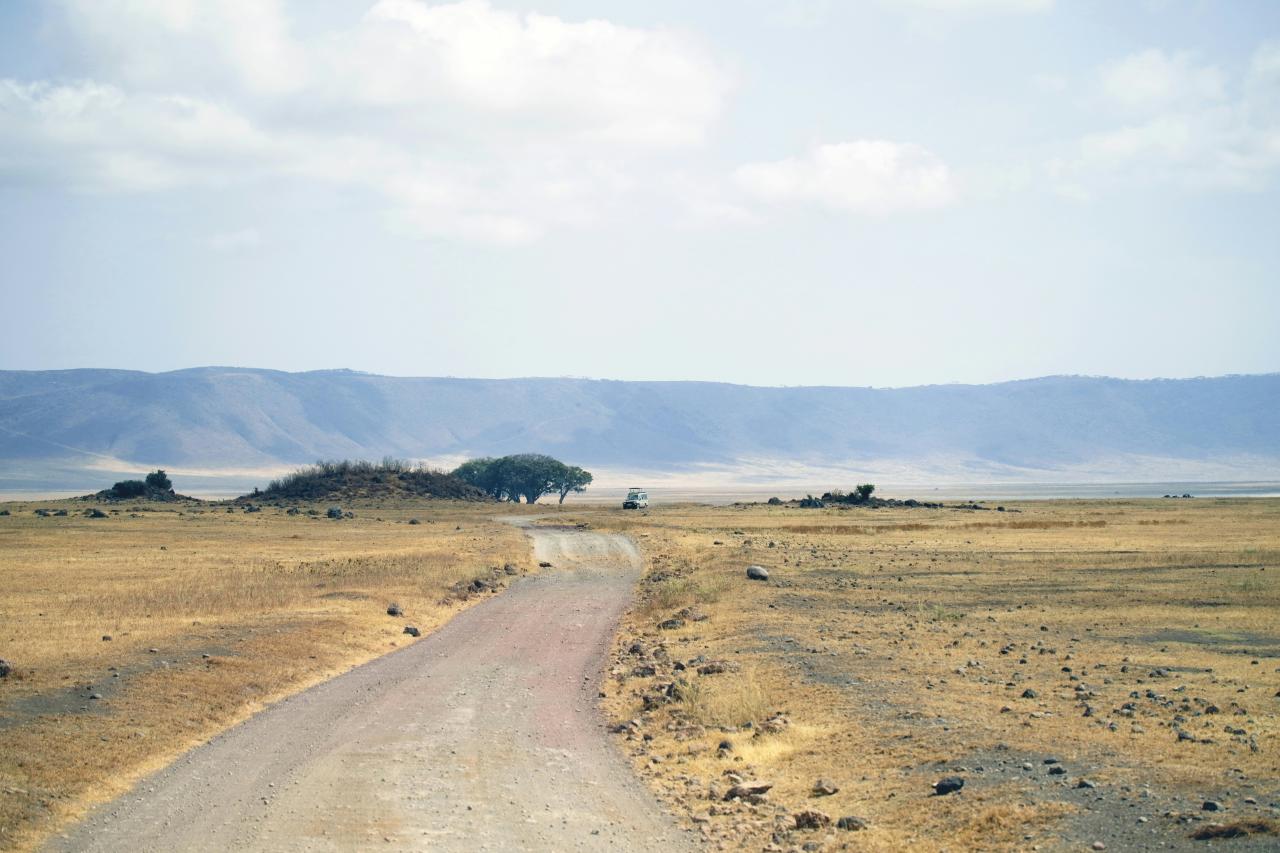
The concept of a safari has evolved significantly from the hunting expeditions of the past century. Today, luxury is defined by space, privacy, and an intimate connection with the environment that honors conservation and local communities.
Modern high-end lodges are built with “light footprints,” often being entirely solar-powered and constructed from sustainable local materials. This allows you to immerse yourself in the wilderness without sacrificing the comforts of a five-star lifestyle.
A. Exclusivity through Private Concessions
Choosing a lodge on a private concession means you are not restricted by national park rules. You can enjoy off-road driving for closer sightings and night drives that reveal the secret lives of nocturnal predators.
B. Expert Guided Interpretation
The quality of your guide is the single most important factor of your trip. Luxury expeditions provide master trackers who are also skilled storytellers, photographers, and naturalists with decades of bush experience.
C. Conservation-Led Tourism
Many top-tier camps are directly involved in rhino or cheetah protection programs. Your stay often contributes to the funding of anti-poaching units, making you a vital part of the ecosystem’s survival.
D. The Art of “Slow Safari”
Rather than rushing to tick off the “Big Five” in one day, the luxury approach encourages spending hours at a single waterhole. This patience rewards you with witnessing complex animal behaviors that most tourists miss.
E. Seamless Bush Logistics
In a luxury tier, the transition between remote camps is handled by private charter flights. This saves you hours of bumpy road transfers and gives you a spectacular bird’s-eye view of the African landscape.
Iconic Regions for the Elite Traveler
Africa is a massive continent, and each region offers a distinct flavor of adventure and landscape. Choosing the right destination depends on whether you seek water-based wildlife, desert vistas, or the classic savannah experience.
East Africa offers the quintessential “Lion King” scenery, while Southern Africa is known for its incredible diversity of ecosystems and sophisticated lodge designs.
A. The Serengeti and Maasai Mara Ecosystem
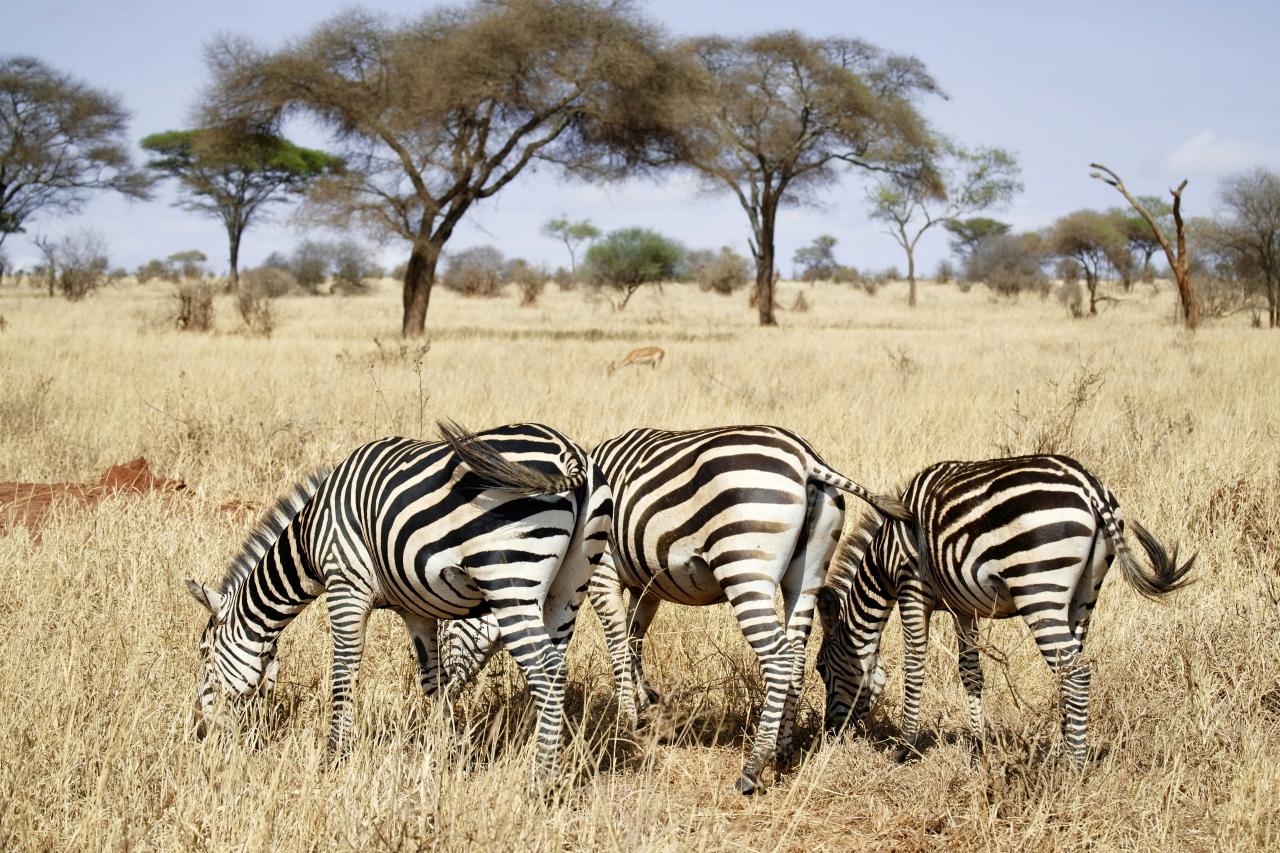
This is the theater of the Great Migration, where millions of wildebeest and zebras brave crocodile-infested rivers. Stay in mobile luxury camps that move with the herds to ensure you are always in the heart of the action.
B. The Okavango Delta, Botswana
Often called the “Jewel of the Kalahari,” this is a watery wonderland where you can explore by mokoro (traditional dugout canoe). It is one of the most exclusive destinations due to its low-impact, high-cost tourism model.
C. Greater Kruger and Sabi Sands, South Africa
Known for the world’s best leopard sightings, this region features some of the most opulent lodges on earth. It is perfect for those who want to combine a safari with the world-class food and wine of Cape Town.
D. The Skeleton Coast and Sossusvlei, Namibia
This is a landscape of haunting beauty, where towering sand dunes meet the cold Atlantic Ocean. It offers a “space safari” where the silence is as profound as the sightings of desert-adapted elephants.
E. Mana Pools and Hwange, Zimbabwe
For the adventurous soul, Zimbabwe offers the best walking safaris in Africa. The guides here undergo the most rigorous training on the continent, allowing for safe, heart-pounding encounters on foot.
The Daily Rhythm of a Luxury Expedition
Life in the bush follows the ancient rhythm of the sun, starting well before dawn when the predators are most active. A luxury safari balances these high-energy outings with periods of profound relaxation and indulgence.
Each day is structured to maximize your comfort while ensuring you don’t miss the most critical wildlife sightings during the “golden hours” of light.
A. The Dawn Chorus and Morning Drive
You will be woken with a fresh pot of coffee and homemade biscuits before heading out as the sun rises. This is the best time to find big cats returning from their nightly hunts.
B. Bush Breakfast and Midday Siesta
After the morning drive, a lavish brunch is served, followed by “siesta time.” This is the perfect moment to enjoy your private plunge pool or a spa treatment overlooking the bush.
C. High Tea and Sundowner Rituals
In the late afternoon, guests gather for savory snacks and tea before the second drive. The day concludes with the legendary “Sundowner”—sipping a gin and tonic in the middle of the wilderness as the sun dips below the horizon.
D. Gourmet Boma Dinners
Dinner is often served in a boma (enclosed outdoor area) around a roaring fire. Chefs prepare multi-course meals paired with fine African wines, followed by stargazing led by your guide.
E. Night Drive Explorations
Using specialized red filters on spotlights, your guide will help you spot the “Secret Seven.” These include rare creatures like the aardvark, serval, and honey badger that only emerge under the cover of darkness.
Tailoring the Experience: Specialized Safaris
Not all travelers are looking for the same thing; some want romance, while others want a family-bonding experience or a professional photography masterclass. A luxury expedition can be customized to suit your specific passions and hobbies.
Bespoke operators can arrange for specialized vehicles, private instructors, or even cultural immersion with local tribes that goes beyond the superficial.
A. Photographic Safaris with Pro Instruction
Some camps offer specialized vehicles with swivel chairs and camera mounts. You can even hire a professional wildlife photographer to accompany you and teach you the nuances of light and composition.
B. Family Safaris and “Junior Ranger” Programs
Luxury camps often have dedicated programs for children, teaching them about tracking, insects, and stargazing. This allows parents to relax while the kids embark on their own educational adventures.
C. Honeymoon and Romantic Escapes
For couples, safaris offer unparalleled intimacy. Think private sleep-outs on “star beds” high above the ground and candlelit dinners in secret locations deep in the forest.
D. Walking Safaris for the Active Explorer
Trading the vehicle for your own two feet changes your perspective entirely. You learn to read the “newspaper of the bush”—the tracks and signs left behind by animals during the night.
E. Aerial Expeditions by Helicopter
For the ultimate luxury, use a private helicopter to reach places inaccessible by road. This is particularly popular in Northern Kenya or the Ethiopian Highlands for a truly “off-the-map” experience.
Packing and Preparation for the Bush
Packing for a safari is an art form because small bush planes have strict weight limits and soft-sided bag requirements. The key is to bring high-quality, functional items that can be layered to accommodate the desert’s temperature swings.
Modern technical fabrics allow you to stay cool during the heat of the day and warm during the chilly early morning drives.
A. The Essential Safari Palette
Stick to neutral colors like khaki, olive, and sand. Avoid white (it gets dusty), black (it attracts heat), and blue (it attracts the dreaded tsetse fly in some regions).
B. High-Performance Optics
While the lodge may provide binoculars, having your own high-quality pair (8×42 is the standard) is essential. It allows you to spot birds and distant predators without waiting to share.
C. Health and Wellness Preparation
Consult a travel clinic about malaria prophylaxis and yellow fever requirements. Luxury lodges are well-equipped with first aid, but bringing your own specific prescriptions is a must.
D. Layering for Temperature Extremes
The temperature can drop to near freezing at night and soar to 35°C by midday. A high-quality fleece or “down” vest that can be easily packed away is a lifesaver on an open-air vehicle.
E. Footwear for Both Vehicle and Veld
You don’t need heavy hiking boots unless you are doing a walking safari. Comfortable, closed-toe trail shoes are usually sufficient for the vehicle and walking around the camp.
Sustainable Luxury and Community Impact
A high-end African expedition should leave the continent better than you found it. The most prestigious lodge brands are those that have integrated the local community into their success.
When you choose a lodge that employs local people and supports local schools, your vacation becomes a powerful tool for social development and cultural preservation.
A. The Multiplier Effect of Safari Employment
One job at a luxury lodge often supports an entire extended family in a rural village. This economic stability reduces the incentive for poaching and creates a pro-wildlife mindset in local communities.
B. Educational Initiatives and School Tours
Many lodges allow guests to visit the local schools they sponsor. This is a great way to see where your “conservation fees” are going and to interact with the local culture in an authentic way.
C. Water and Waste Innovation
Top-tier camps use advanced filtration systems to eliminate plastic water bottles. They also employ sophisticated “biolytic” waste systems that turn sewage into clean water for irrigation.
D. Preserving Indigenous Knowledge
By employing local Maasai, Samburu, or San trackers, luxury safaris help keep ancient bushcraft skills alive. This ensures that the younger generation sees value in their traditional heritage.
E. Direct Wildlife Relocation Funding
The high cost of luxury safaris often funds the relocation of endangered species to safer areas. Your trip could be the reason a group of rhinos is successfully moved to a new, protected habitat.
Planning the Timeline: When to Go
Africa is a year-round destination, but the “best” time depends entirely on what you want to see. The “Green Season” (wet season) offers lush landscapes and baby animals, while the “Dry Season” offers the best predator action.
Understanding the “shoulder seasons” can often provide the best value, offering luxury experiences at a slightly lower price point with fewer crowds.
A. The Peak Dry Season (June to October)
This is the most popular time for safaris. As water sources dry up, animals congregate around permanent waterholes, making them very easy to find and photograph.
B. The Emerald or Green Season (November to April)
The rains bring the bush to life with flowers and migrating birds. It is “birthing season” for many herbivores, leading to dramatic (though sometimes heartbreaking) predator encounters.
C. The Great Migration Calendar
If your goal is to see the river crossings, you must time your visit to the Mara or Northern Serengeti between July and September. However, the migration is in the Southern Serengeti for calving in February.
D. The Gorilla Trekking Window
For those heading to Rwanda or Uganda, the dry months of January and July are best for hiking through the rainforest. The mud is less of a factor, making the trek to find the mountain gorillas more manageable.
E. Whale Watching and Floral Kingdoms
If combining a safari with South Africa’s coast, August to October is the peak time for Southern Right Whales. It is also when the Namaqualand desert erupts into a carpet of wild flowers.
Culinary Excellence in the Wilderness
One of the most surprising aspects of a luxury African expedition is the quality of the food. In remote locations where everything must be flown in or grown on-site, chefs produce world-class cuisine that rivals top urban restaurants.
The dining experience is often varied, from “bush grills” over open coals to formal silver-service dinners in the middle of a plain.
A. The Fusion of Local and International Flavors
Expect to try game meats like springbok or kudu prepared with French techniques. Local spices and “farm-to-table” vegetables from the camp’s own garden are staples of the luxury menu.
B. Wine Cellars in the Sand
Many Southern African lodges boast underground wine cellars featuring rare vintages from the Cape Winelands. A private tasting led by a sommelier is a common highlight of the evening.
C. The Surprise Bush Brunch
You might round a corner on your morning drive to find a full kitchen set up under a baobab tree. Freshly made omelets, chilled champagne, and pancakes are served as elephants graze in the distance.
D. Dining Under the African Sky
The lack of light pollution means the stars are incredibly bright. Most luxury lodges offer at least one “lantern-lit” dinner in a remote location, far from the lights of the camp.
E. Catering to All Dietary Preferences
Whether you are vegan, gluten-free, or follow a Paleo diet, luxury safari chefs are masters of customization. Because the guest count is low, the service is highly personalized to your specific tastes.
Navigating Safari Logistics and Safety
Safety is a top priority for luxury operators, both in terms of wildlife encounters and health. The “glamour” of a safari is backed by a rigorous set of protocols that keep you safe while allowing for an authentic experience.
From the moment you land at the international airport, a luxury traveler is “held” in a bubble of safety and efficiency by a team of professional fixers and pilots.
A. The Safety of the Open-Air Vehicle
Animals generally see the vehicle as a single, non-threatening object. As long as you stay seated and follow your guide’s instructions, you are perfectly safe even just a few feet from a lion.
B. Small Plane Transfers and Weight Limits
Flying between camps in a “Cessna Caravan” is a highlight of the trip. However, you must adhere to the 15kg soft-bag limit, as these planes have very small luggage pods.
C. On-Site Medical Support and Evacuation
Luxury lodges have 24/7 links to “Flying Doctor” services. In the rare event of a medical emergency, a plane can be dispatched to your remote airstrip to whisk you to a world-class hospital.
D. Walking Safari Safety Protocols
When walking, you are always accompanied by an armed ranger and a tracker. They are trained to “read” the animals’ mood and ensure that you never get close enough to cause distress to the wildlife.
E. Managing the “African Sun”
Heatstroke and dehydration are the most common health issues. Luxury camps provide infinite supplies of chilled water, electrolyte drinks, and high-SPF sunscreens to keep you comfortable.
The Future of High-End Exploration
As we look forward, the trend in luxury safaris is moving toward even more remote and untouched destinations. Countries like Chad, the Republic of the Congo, and Angola are opening up for ultra-exclusive, expedition-style travel.
The focus is shifting from “seeing” to “doing”—guests want to participate in collaring lions, tracking pangolins, or helping with community health clinics.
A. The Rise of the “Private Villa” Safari
For families or groups, booking an entire private house with its own staff and vehicle is the new trend. It offers total freedom to set your own schedule without considering other guests.
B. Low-Impact “Cradle to Grave” Tourism
The next generation of lodges will be almost invisible, designed to be completely dismantled without leaving a trace. This “ephemeral luxury” is the ultimate expression of environmental respect.
C. Integration of Citizen Science
Future safaris will involve guests contributing to global databases. By uploading photos of leopard spots or wild dog markings, travelers help researchers track individual animals across the continent.
D. Space-Age Materials in Traditional Canvas
We are seeing a move toward smart-tents that use aerospace insulation to stay cool without the need for noisy air conditioning. This allows you to hear the sounds of the night while staying perfectly comfortable.
E. Deep Cultural Exchange without Exploitation
The future is about “peer-to-peer” interaction with local leaders and artists. Instead of a “village tour,” you might spend the afternoon discussing history or art with a local elder in a natural setting.
Conclusion
An African luxury expedition is an investment in your soul that pays dividends for a lifetime. Every detail of a bespoke safari is designed to harmonize the wildness of nature with the grace of hospitality. The continent offers a diverse range of ecosystems that cater to every type of high-end explorer. Conservation is the heart of the luxury model, ensuring that these wilderness areas survive for the future. Daily life on safari follows a curated rhythm that maximizes both excitement and profound relaxation. The expertise of your guide will transform a simple animal sighting into a deep lesson in ecology. Sustainable practices at top-tier lodges prove that indulgence doesn’t have to come at an environmental cost.
Food and wine on the savannah often exceed the quality found in the world’s most famous cities. Safety and logistics are handled with military precision to allow you total peace of mind. Modern technology like VR and AR is beginning to play a role in preparing travelers for their journey. The true luxury of Africa is the gift of silence and the space to reconnect with the natural world. Planning your expedition with a reputable specialist ensures that your trip supports ethical tourism. There is no other place on earth that can move the human spirit quite like the African bush.